The Russian World and its (un)holy war: A threat to Christian Unity
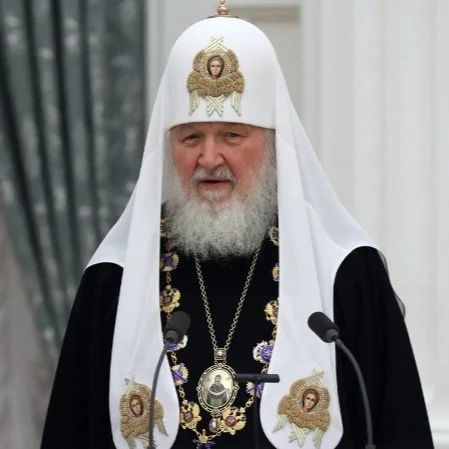
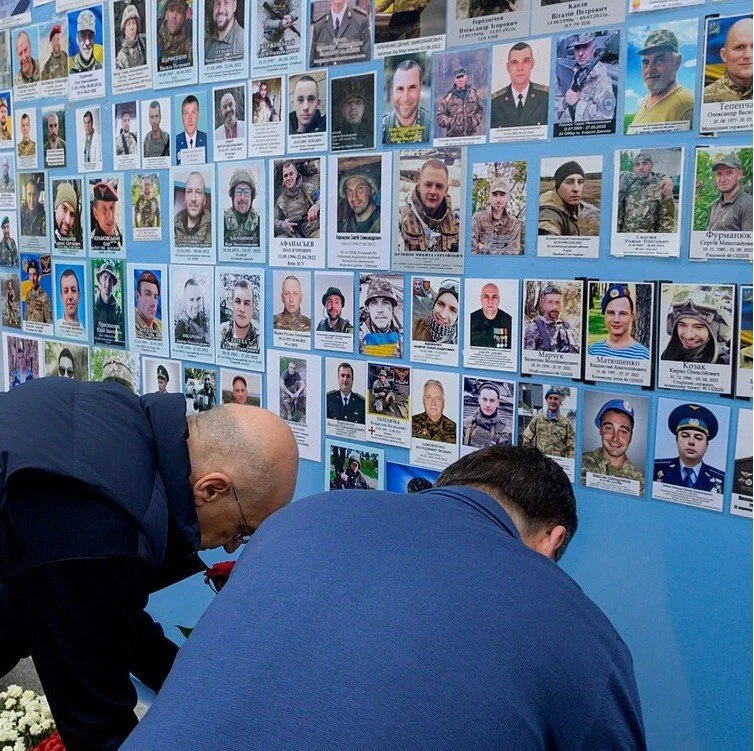
This article explores the ideological and theological foundations of the concept of the “Russian world” (Russkiy mir) in the context of Russia’s war against Ukraine, the implications of this ideology for ecumenical relations and the requirements for a theologically grounded response.
Read More
Church Growth in the midst of war
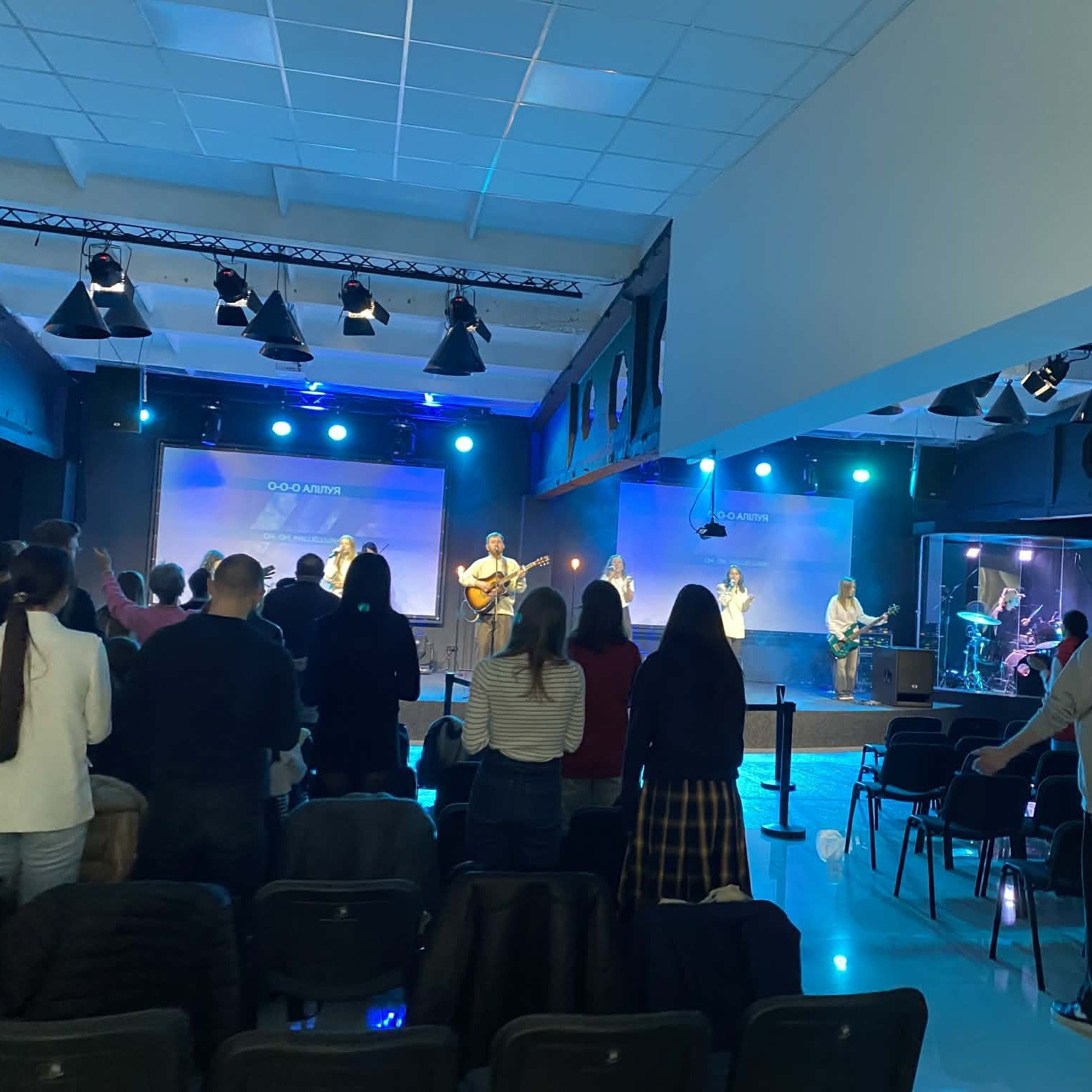
Full-scale war has radically altered the conditions under which Ukrainian churches operate, with some, especially in de-occupied and frontline areas, experiencing a noticeable numerical growth.
Read More
Bridges and Walls in a time of war
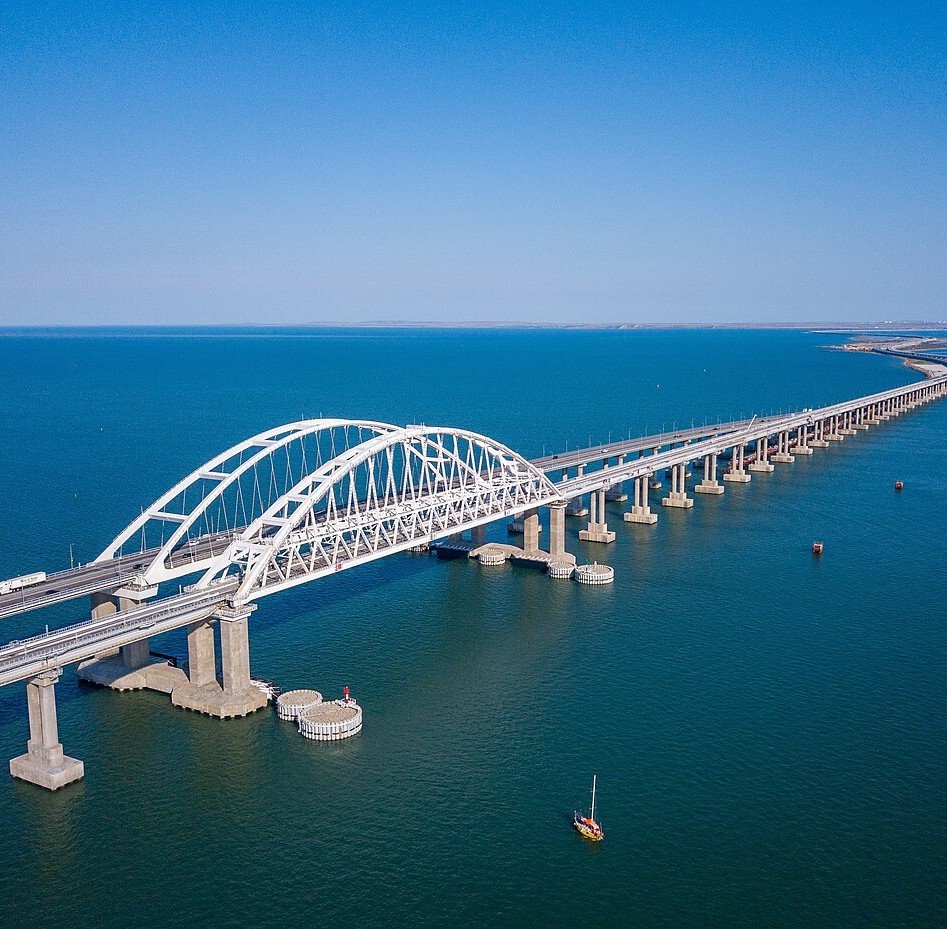
This essay explores how the metaphorical use of walls and bridges has evolved amid wartime circumstances, and what that shift means for the shape of Christian mission in a country five years into a war we did not choose.
Read More
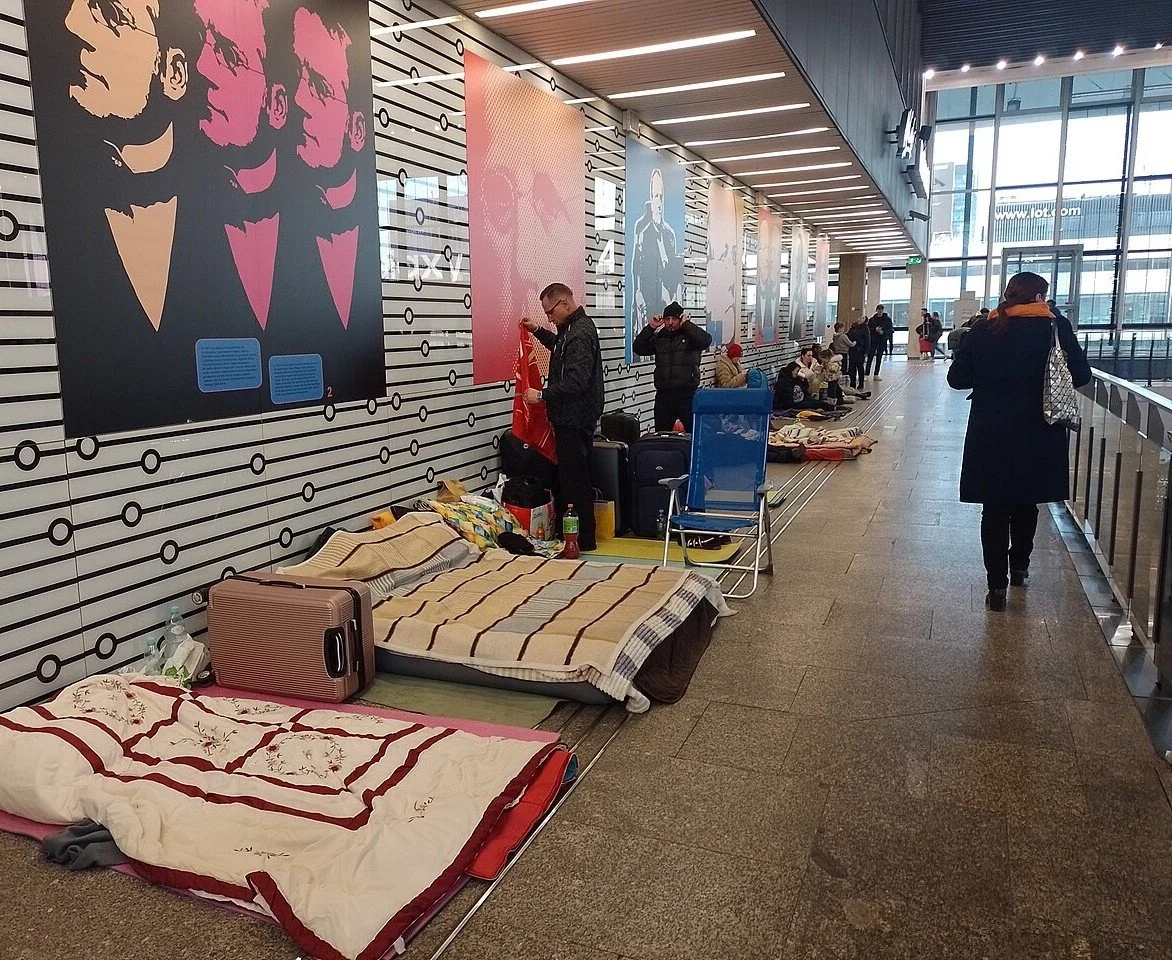
When Home Becomes Foreign: What Ukraine Is Teaching the Global Church About Migration
I still remember walking out of our home in Kherson. We locked the door believing the interruption to our lives would be temporary. We were wrong.
Read More
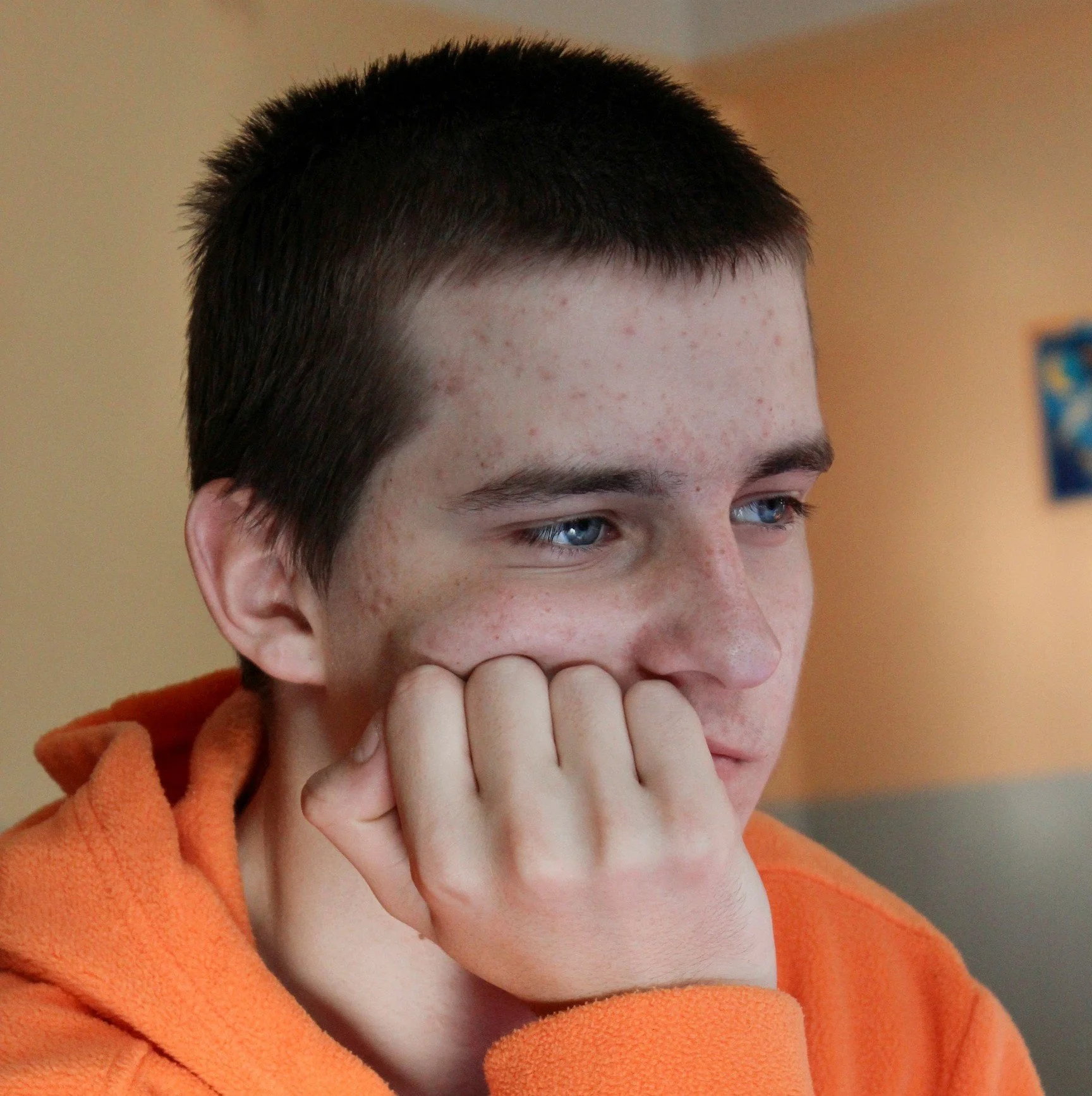
Youth Ministry in Ukraine
How are Ukraine’s teenagers responding to 4 ½ years of war, and how are churches supporting them?
Read More
Support Groups for Families of Fallen Military Personnel
A comprehensive analysis of how Ukrainian Protestant communities are transforming their traditional forms of ministry to provide effective support to people in states of acute and prolonged grief.
Read More
Cross-cultural and mission books in Ukrainian
This article highlights a selection of books available in Ukrainian that cover cross-cultural mission work and missionary pastoral care (often referred to as member care).
Read More
New Perspectives on Indigenous Mission: Evangelical Roma in Europe
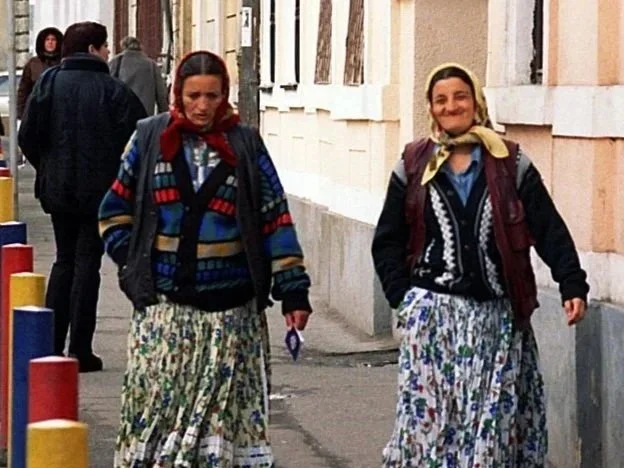
The Roma are people characterised by a mosaic of cultures, languages, and identities, who are often misunderstood or ignored. Despite their long history in Europe, they are still often viewed as separate from other Europeans, as ‘Other,’ or the perpetual ‘stranger.
Read More
What's the story? Wasteland or Rosegarden?
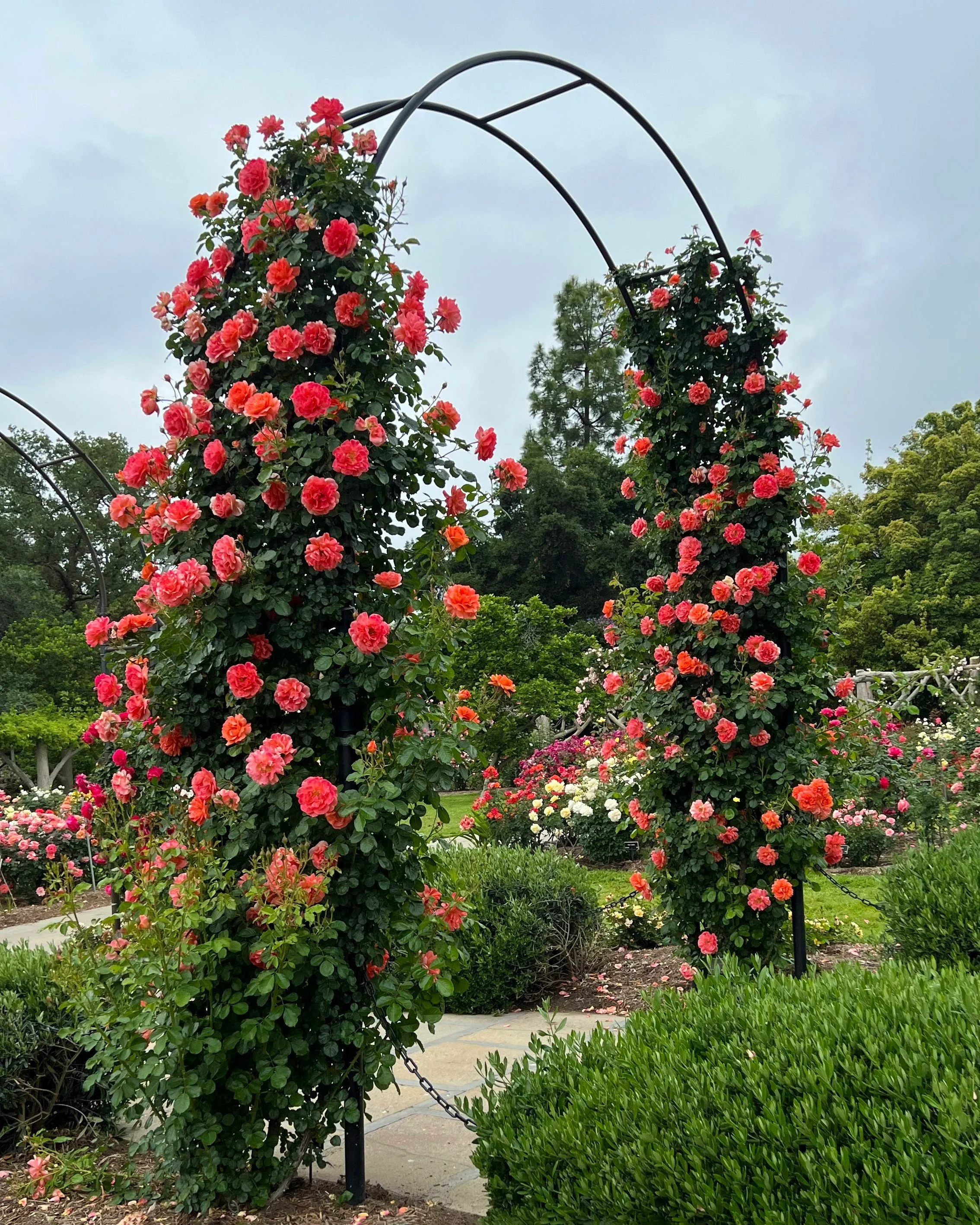
Mission among indigenous people must operate within the story of the people and place concerned, as well as the resurrected Messiah story we profess. Reason can only take us so far.
Read More
Christian Identity and the Praxis of Mission in Eastern Europe
Across Central and Eastern Europe nationality dictates religious affiliation to Orthodoxy. any change from the inherited Christian tradition to another Christian denomination such as Brethren or Baptist, is seen as betrayal of their ancestors’ Church.
Read More
Being Church in a Post-Atheist Culture: Mission in East Germany
East Germany, once the birthplace of the Protestant Reformation, is now among the most irreligious regions in Europe,. where many people grow up without ever encountering the Christian faith. What does it mean to speak of mission in a society shaped by religious indifference?
Read More
Unity of the church in evangelism: A Ukrainian perspective on L4
Arriving in Seoul for L4, I was struck by the palpable sense of purpose and urgency. The conference was not merely a gathering but a call to action.
Read More
What if there is no mission centre?
What matrix are we to use when thinking in terms of polycentric and multidirectional mission in Central and Eastern Europe? How can the churches kept in isolation and under national persecution stay connected with other similar churches or mission bodies around the globe?
Read More
Borders are Back
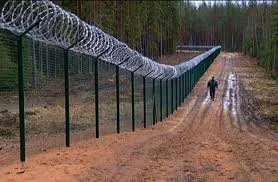
Since the Russian invasion armies crossed the Ukrainian border, over three and a half million Ukrainian refugees have crossed several European borders, seeking refuge from the destruction of their country. Across Europe people manifest their solidarity with the plight of the people from that beleaguered country whose name, significantly, means ‘Border land’.
Read More
Borders: Frontier or neighbourhood?
I grew up in Estonia, behind the Iron Curtain, the heavily militarised border between Western capitalist countries and the Communist Bloc led by the Soviet Union. For me a border to the world outside was set in stone or in iron. Crossing was impossible.
Read More
Eastern European Perspectives
Just under 1/3 of all participants at the Lausanne 20/21 gathering were from Central and Eastern Europe. As the percentage of born-again Christians across Eastern Europe is much smaller than in Western or Northern European countries, this shows that organising committee put effort to mobilize participants from Eastern Europe.
Read More