
Welcome to Vista
Vista has provided relevant and insightful, research-based perspectives on the crucial issues for mission in Europe since 2010. If you are involved in Christian mission in Europe in any way, you will find something of interest in Vista.
Each edition focuses on a particular theme so do check our archive or search by category to look for specific articles.
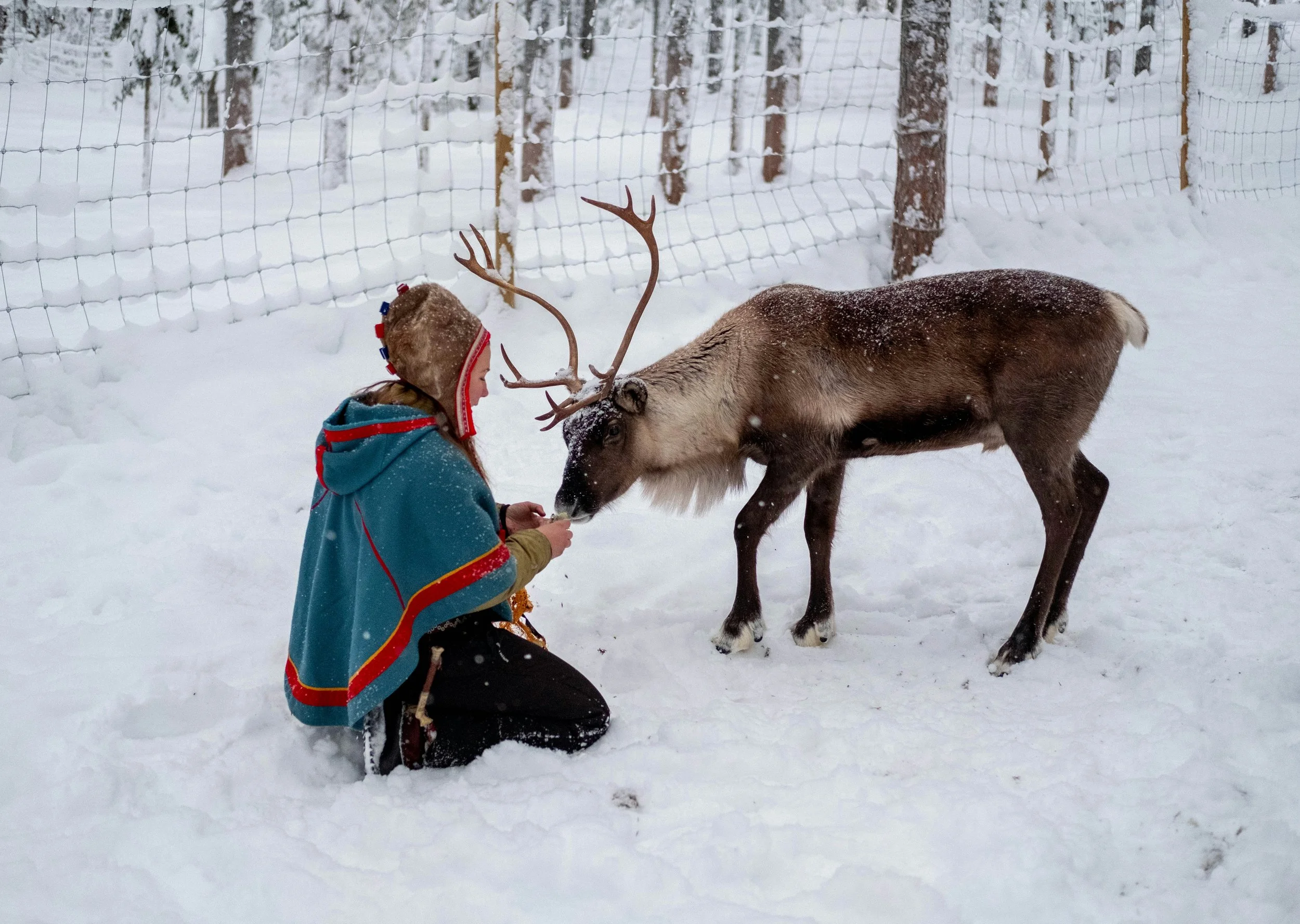
This article aims to look at possible ways of making Christianity relevant to indigenous peoples, focusing on experiences with the Saami in Scandinavia as well as other indigenous peoples around the world.
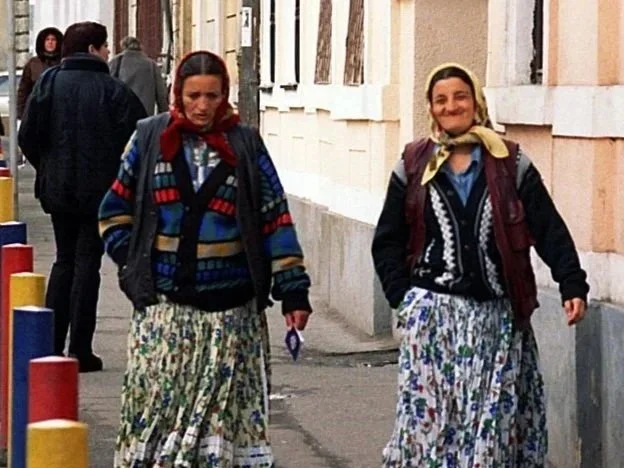
The Roma are people characterised by a mosaic of cultures, languages, and identities, who are often misunderstood or ignored. Despite their long history in Europe, they are still often viewed as separate from other Europeans, as ‘Other,’ or the perpetual ‘stranger.
Mission among indigenous people must operate within the story of the people and place concerned, as well as the resurrected Messiah story we profess. Reason can only take us so far.
Several months ago, my husband and I moved permenantly to a small coastal community in South Cornwall. We did so with a sense of calling, which includes being involved in a small local church.
Evangelical churches in Spain have experienced significant growth in recent years, however despite constant efforts, there are relatively few conversions among the native Spanish population.
Facing the challenge of communicating the Christian gospel to a largely secularised and multi-religious Europe, is it not time to frame the challenge of reaching Europeans as a missionary task, and to draw on the principles of indigeneity in doing so?
Across Central and Eastern Europe nationality dictates religious affiliation to Orthodoxy. any change from the inherited Christian tradition to another Christian denomination such as Brethren or Baptist, is seen as betrayal of their ancestors’ Church.
In a country which is a mix of secular, post-Catholic, and spiritual, there is a hopeful, confident, and growing church which is culturally diverse and locally engaged in extending hospitality to others.
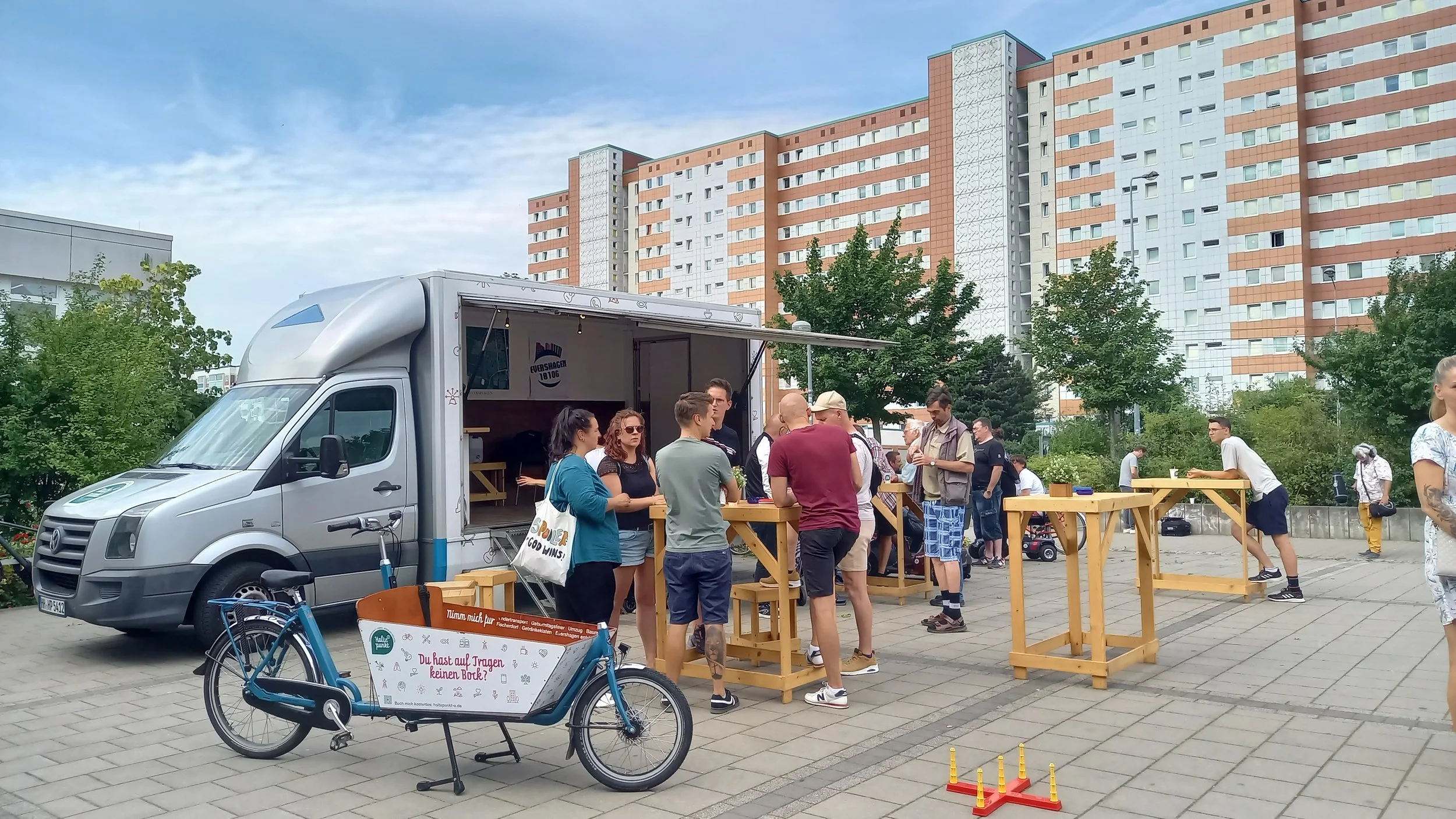
East Germany, once the birthplace of the Protestant Reformation, is now among the most irreligious regions in Europe,. where many people grow up without ever encountering the Christian faith. What does it mean to speak of mission in a society shaped by religious indifference?
It was a privilege to be part of the Dutch delegation and encouraged and challenged by testimonies and perspectives from other parts of the world in view of our own context in the Netherlands.
Never before has there been such a movement of people around the globe, and projections indicate that the numbers will continue to grow.
There is no escaping the reality that Europeans are a minority voice in the Global Church. So as European missiologists and Co-Directors for Lausanne Europe, what did the Congress look like from here?
What has continued to hit me furiously since my experience at the Congress is a kind of ‘silent roar’, an embarrassing but also revitalizing one that comes powerfully from the Global South.
The report indicates that, at present, 31% of the world's population is Christian and lives out an active faith. In France this figure is only 1.5%! And yet, there are reasons to hope and reasons to mobilise all over again.
Attending the 4th Lausanne Congress in Seoul-Incheon took me far beyond my usual context of local and national church ministry in Germany to give me a sweeping, and at times dizzying, view of the global Church and its mission.
Growing up in Hong Kong, I was excited to see that East Asians are at the front of this global evangelical movement, with the Seoul gathering as the first ever Lausanne Congress held in an East Asian country.
Overall, Congress deepened my understanding of global perspectives and the greatest priorities for advancing global mission: intergenerational leadership, discipleship, and justice
Arriving in Seoul for L4, I was struck by the palpable sense of purpose and urgency. The conference was not merely a gathering but a call to action.
Singing the hymn ‘How Great Thou Art’ was a significant moment for me at the opening of Lausanne 4 in Seoul. It speaks of our history and legacy but will we sing its message with a loud voice in the future?
At the Fourth Congress in Seoul-Incheon, September 2024, the Lausanne Movement released the Seoul Statement, which aims to remind its readers about why the church exists and to identify the great contemporary challenges for her mission.
How do I, as an outsider yet sympathetic observer of the Lausanne Movement, evaluate the Seoul Statement? I notice a number of important aspects in the area of mission theology and with respect to the practice of evangelisation.
Europe stands as an important reminder that our current state and trajectory does not establish with any certainty the future of the church. Europe was the first continent to be completely Christianized, but it was also the first continent to be substantially de-Christianized.
Besides the traditional right-wing parties (conservative, liberal), new political formations and alliances have emerged which are transforming the political landscape and the language we use to describe it. How do we respond from an Evangelical Christian and a missional perspective.
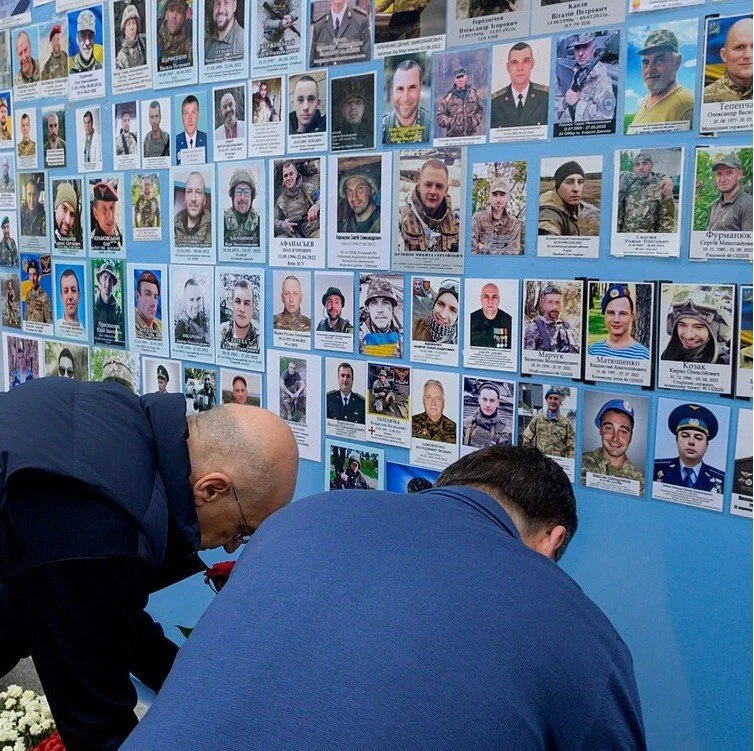
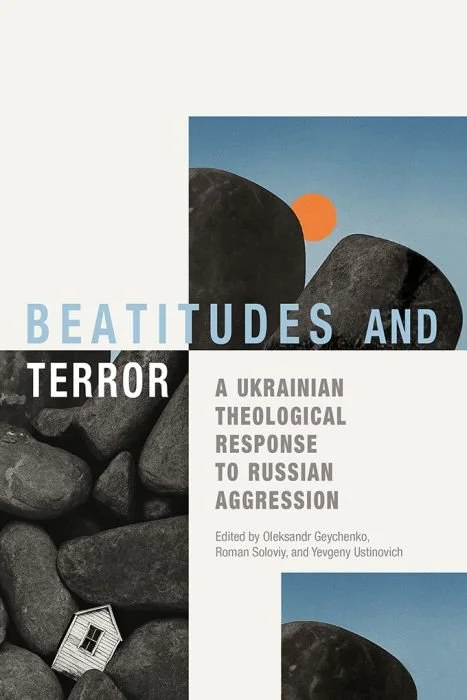
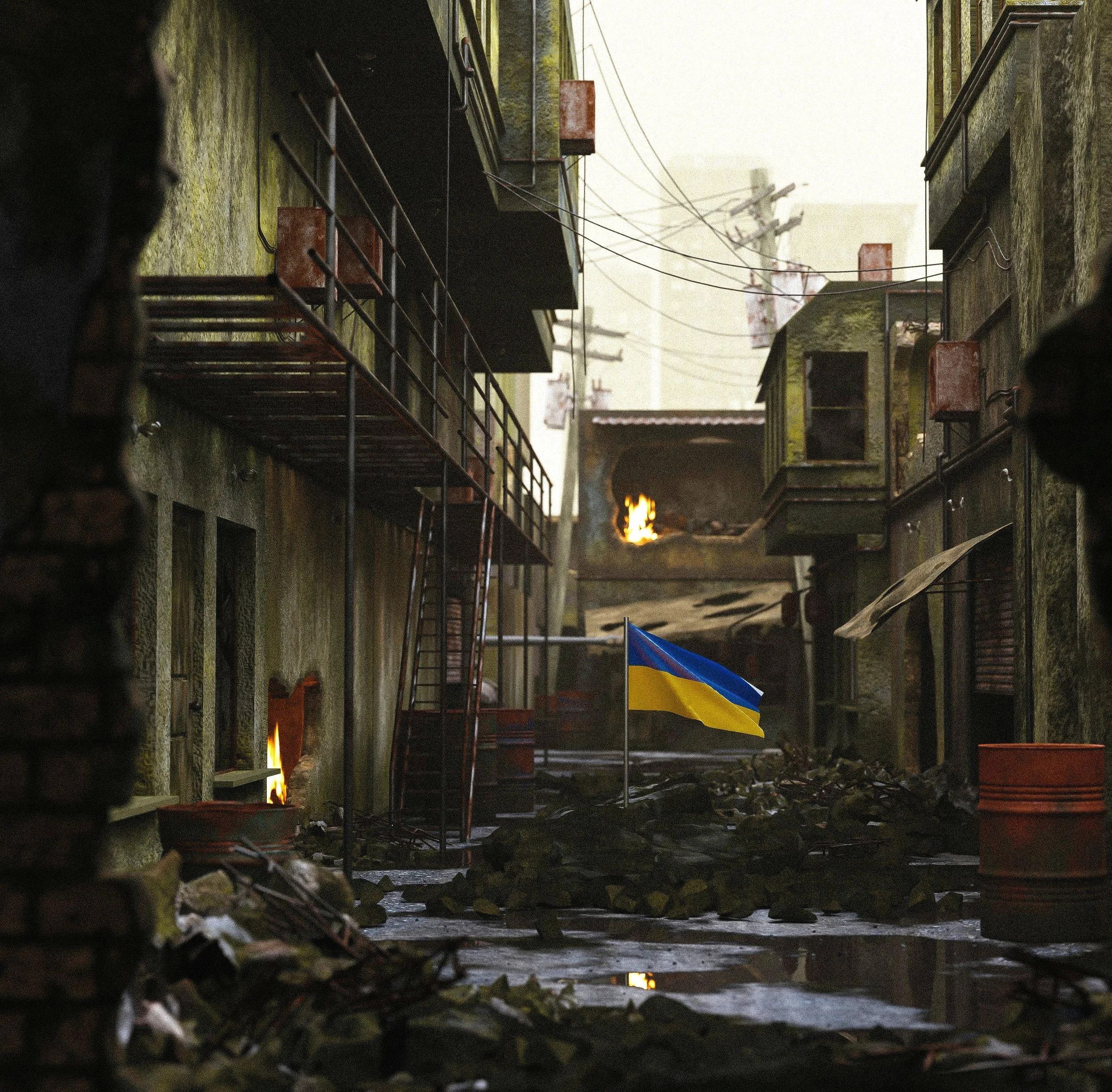
During the war years, the national identity of Ukrainians has grown and significantly changed. The same can be said about evangelical churches. What can evangelical voices offer to supplement or correct what ordinary Ukrainians think about their national identity? What special contribution can they make?
The rise of Christian nationalism and its influence on African Christians has implications for us here in Europe - especially if we can learn together and from one another.
Nationalism in the Balkans has had a tremendous impact on the Church and its mission, with far-reaching implications for gospel expansion. The root of their notoriety goes back to the late eighteenth century, with links to both their geography, and religious rivalry
This article, and by extension the whole of this issue of Vista, seeks to explore the meaning and use of the word polycentric in Christian mission studies today and, more specifically, consider its implications for mission in Europe.
The last issue of Vista generated significant debate around the meaning of “indigenous”, so we decided to invite further contributions, including from those who most strongly objected to our broader definition of the term.
This edition of Vista is the first of two that will explore the topic of indigenous mission in Europe, asking is it time to adopt a missionary posture and consider afresh how the Christian gospel might appeal to today’s indigenous Europeans?
This issue of Vista seeks to gather the perspectives and impressions of people from a variety of contexts about the Congress, in the light of mission in Europe today
This edition is launched just days before the EU Parliament elections when European citizens will choose their representatives in the European Parliament. So much has changed since the last elections in 2019, but one thing that hasn’t changed is the influence of nationalism. And this topic continues to be one of the primary contextual realities that shape European society; the soil into which we are sowing the Christian gospel.
This issue of Vista explores the idea of polycentric mission in the context of mission in Europe. Of all the topics we have covered over 40+ issues of Vista, this concept has probably sparked the most debate amongst the editorial team, and the various perspectives in their articles reflect this.
Dr. Alexandru Vlasin is currently serving as missionary with Barnabas International as member care specialist whilst offering missionary training to Baptist Theological Seminary in Bucharest. He is also associate lecturer at University of Bucharest - Baptist theology Faculty - teaching several social work subjects.
This edition of Vista considers what a Simple Lifestyle means in today's Europe, with articles from Evert Van De Poll, Danny Webster, Phillip Powell, Alex Vlasin and Jo Appleton
L'Europa è un contesto incredibilmente complesso, vario e dinamico per la missione cristiana. Le tendenze e le influenze sono così numerose che riuscire a considerarle tutte può sembrare un compito impossibile. Europa 2021 - Un rapporto missiologico, del missiologo (e coeditore di Vista) Jim Memory, assieme alla guida alla discussione, cerca di fare proprio questo
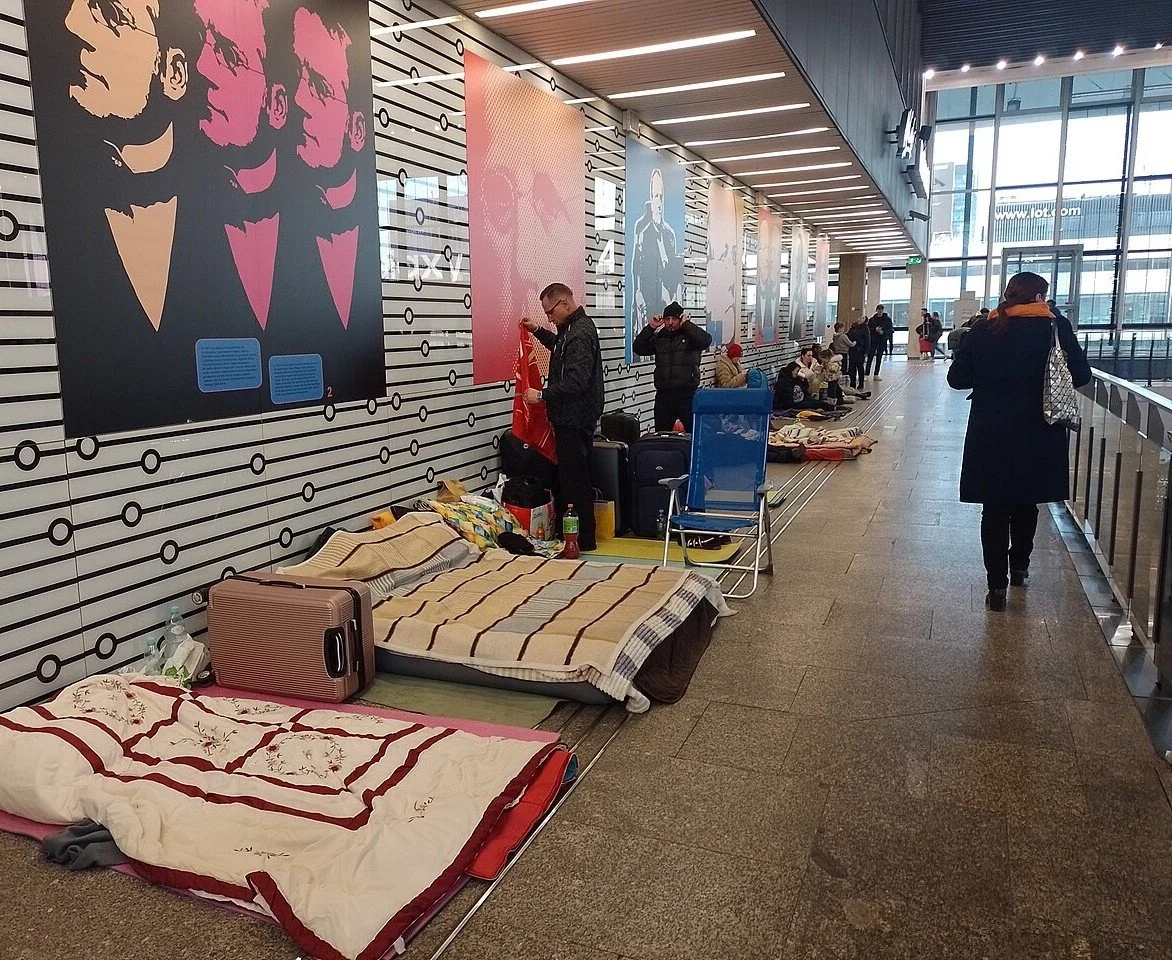
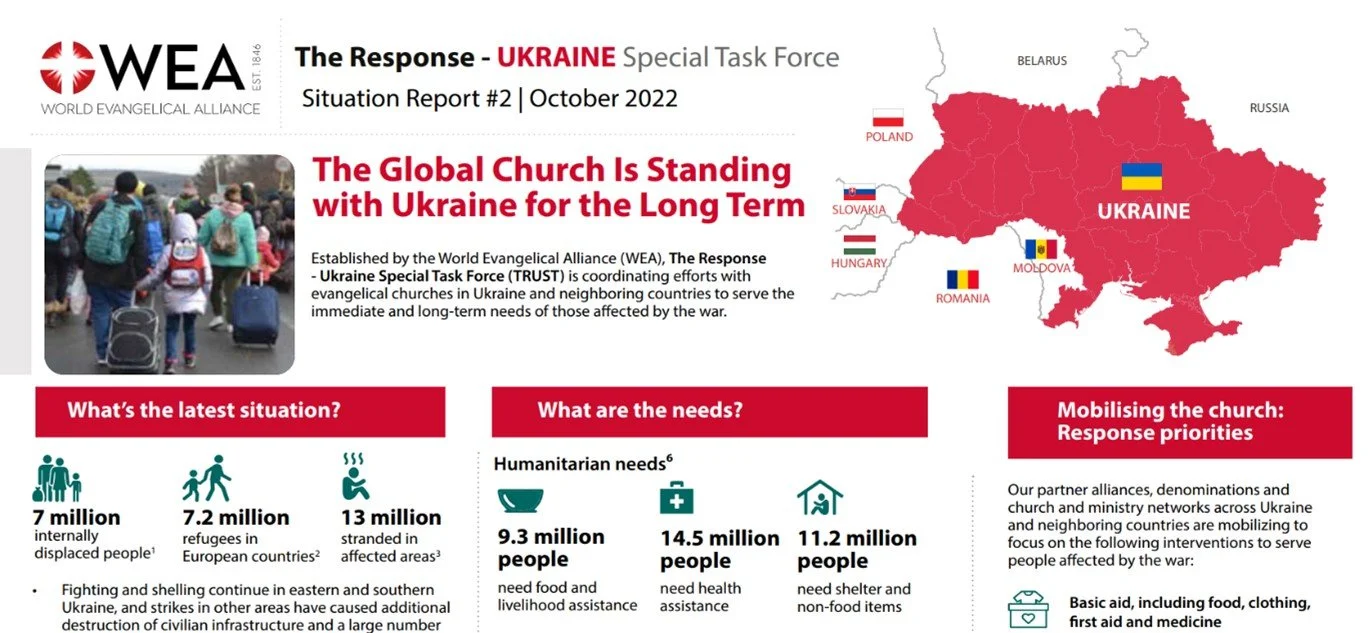
As always, this edition of Vista considers different perspectives. We look at the statistics, take a view from inside Ukraine and consider the impact on both the gateway and receiving countries and their response to the crisis. We also include a Russian perspective and concludes with an article about a platform that has emerged to foster collaboration in the refugee response conclude with an article about a platform that has emerged to foster collaboration in the refugee response.
Just as we were about to publish this edition of Vista, the WEA published their own Situation Report from Ukraine which is linked here
This 5-day intensive online course hosted by allnations is aimed at anyone involved in the practice of Christian mission in Britain and Europe. The course seeks to help participants to reflect more deeply on their existing mission practice and to expose them to something of the variety of approaches to the challenge of sharing the gospel of Jesus Christ in Britain and Europe today.
Sign up to Vista
Want to receive latest editions via email and be kept up to date with news and events? Sign up below.