In this edition of Vista, we focus on one key expression of interconnectedness – the network, a form that in some ways epitomises modern society, and has increasingly been used by Christians in service of God’s kingdom.
Read More
In this edition of Vista, we focus on one key expression of interconnectedness – the network, a form that in some ways epitomises modern society, and has increasingly been used by Christians in service of God’s kingdom.
Read MoreThe evaluation of effectiveness [in mission networks] is essential to stewardship and is part of the nature of God: planning, executing, and then evaluating.
Read MoreWhen Jesus put his team together he was not looking for functionaries who filled person specifications, he called sisters and brothers to follow him into places where ‘the Son of Man has nowhere to lay his head’. He was into relationship building, shared lives, intimacy and self-sacrifice.
Read MoreIn February/March 2017 we carried out a small-scale survey to find out more about the networks you, our Vista readers, are involved in.
Read MoreIs there any other network that, in terms of its geographical extent and its ethnic, cultural and generational diversity, can compare to the church of Jesus Christ?
Read MoreOver the past 15 years, the European Leadership Forum (the Forum) has brought together hundreds of Evangelical leaders from over 40 countries at its annual conference and year-round events in pursuit of this Gospel unity.
Read MoreIt is precisely because multiculturalism has been given such a bad name recently that we may have been blinded to perhaps the greatest example of successful multiculturalism in Europe today: Europe’s churches
Read MoreYou can learn a lot from a church noticeboard. Every year I have my students make a list of the ethnic mix of congregations meeting for worship in their neighbourhood. They have to do this on the basis of what local churches display on their noticeboards
Read MoreThe Karlsruhe Free Evangelical Church (FeG) is a relatively young church in the second largest city of Baden-Württemberg in southwest Germany. It began with just twenty local people in 1991
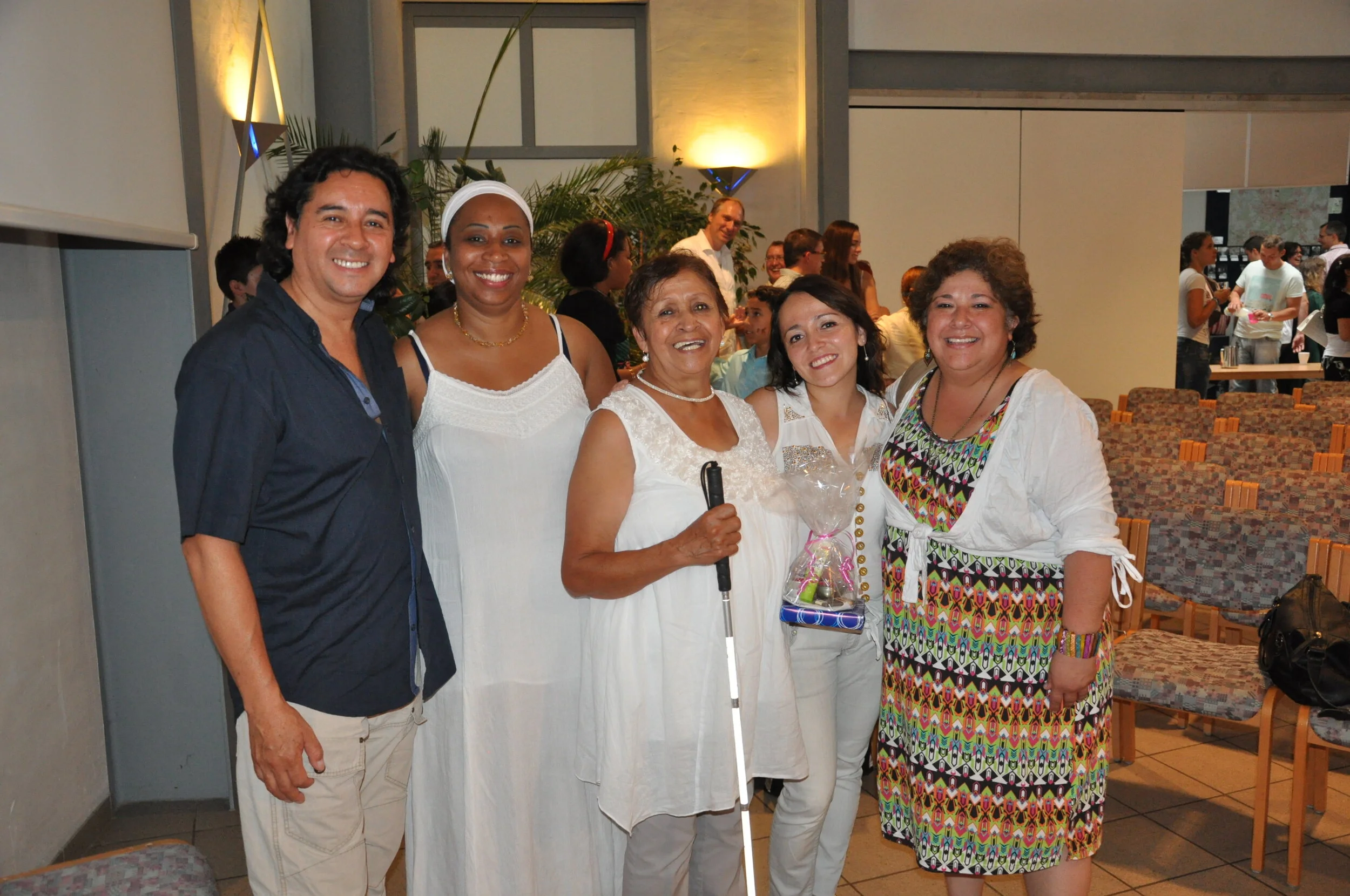
Read MoreHow often does a person have the opportunity to regularly meet, converse and share significant life experiences with people from over fifty different national cultures?
Read More
Hardy and Yarnell are both church planters and missional thinkers based in the UK, and their book clearly draws upon considerable practical experience as well as serious missiological and theological reflection.
Read More
Muslims are not the people who live somewhere else, but are our neighbours in all European states. They are in Europe to live and stay, and they have the right to hear the good news.
Read MoreUpon arriving in the UK, Romanian migrants who in one sense or another identify as Christian face a range of options if they wish to meet with other Christians and enjoy fellowship with them
Read MoreThe 2016 referendum on the UK’s continuing membership of the EU was not the first time UK voters had gone to the polls in an EU referendum, but it is certainly the one that history will recall in any post-2016 account of Europe.
Read MoreAs a nation, Britain was extremely badly prepared for the referendum on EU membership. There is a longstanding legacy of British neglect of the EU, indeed of all things ‘European’, not least among those who shape public debate in politics and the media.
Read MoreThrough Brexit, the British electorate was making a decision based on two competing narratives about who we are and what is our place in the world. This was a vote about identity
Read MoreMany Christians who said they were going to vote Leave had narratives that dominated their perspective. They didn’t all use the same language but three distinct controlling narratives were repeated over and over again.
Read MoreFor many years I have been interested in mission in Europe, encompassing the preaching of the gospel, justice ministries, and engagement in the public square. This deepened when I had the opportunity to live in Brussels in the 1990s, working in the Legal Service of the European Commission
Read MoreIt is said that there are three things British people don’t talk about: money, sex and politics. Now there are only two. Both before the referendum vote and especially afterwards, politics was a frequent – and at times the only – topic of conversation.
Read More