Tracing the development of the Evangelical Commitment to a Simple Lifestyle from the Lausanne Congress of World Evangelisation in 1974
Read More
Tracing the development of the Evangelical Commitment to a Simple Lifestyle from the Lausanne Congress of World Evangelisation in 1974
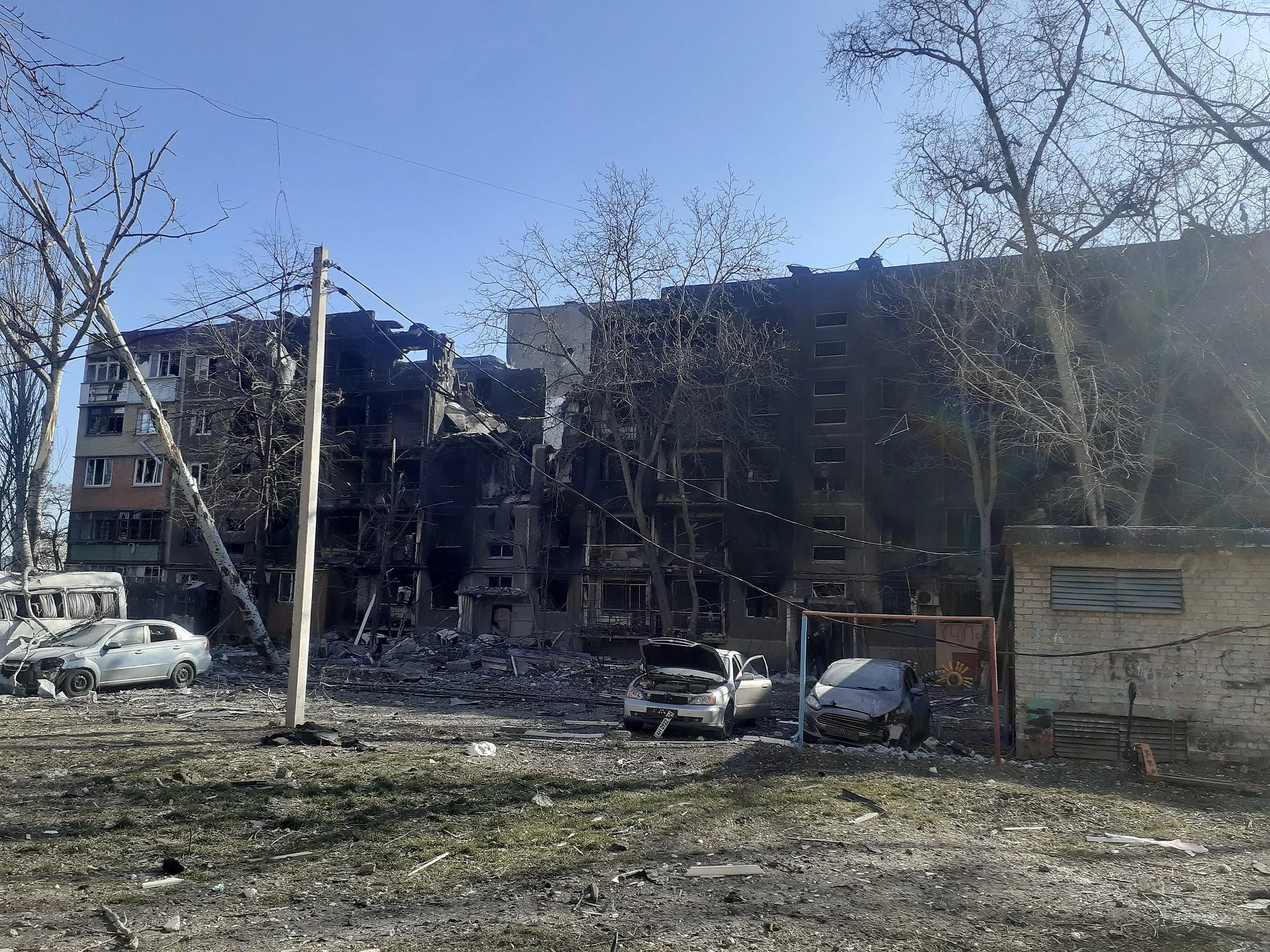
Read MoreThis article seeks to provide a statistical description of the dimensions of the Ukraine War and migrant crisis, and to briefly discuss its impact on mission in Europe.
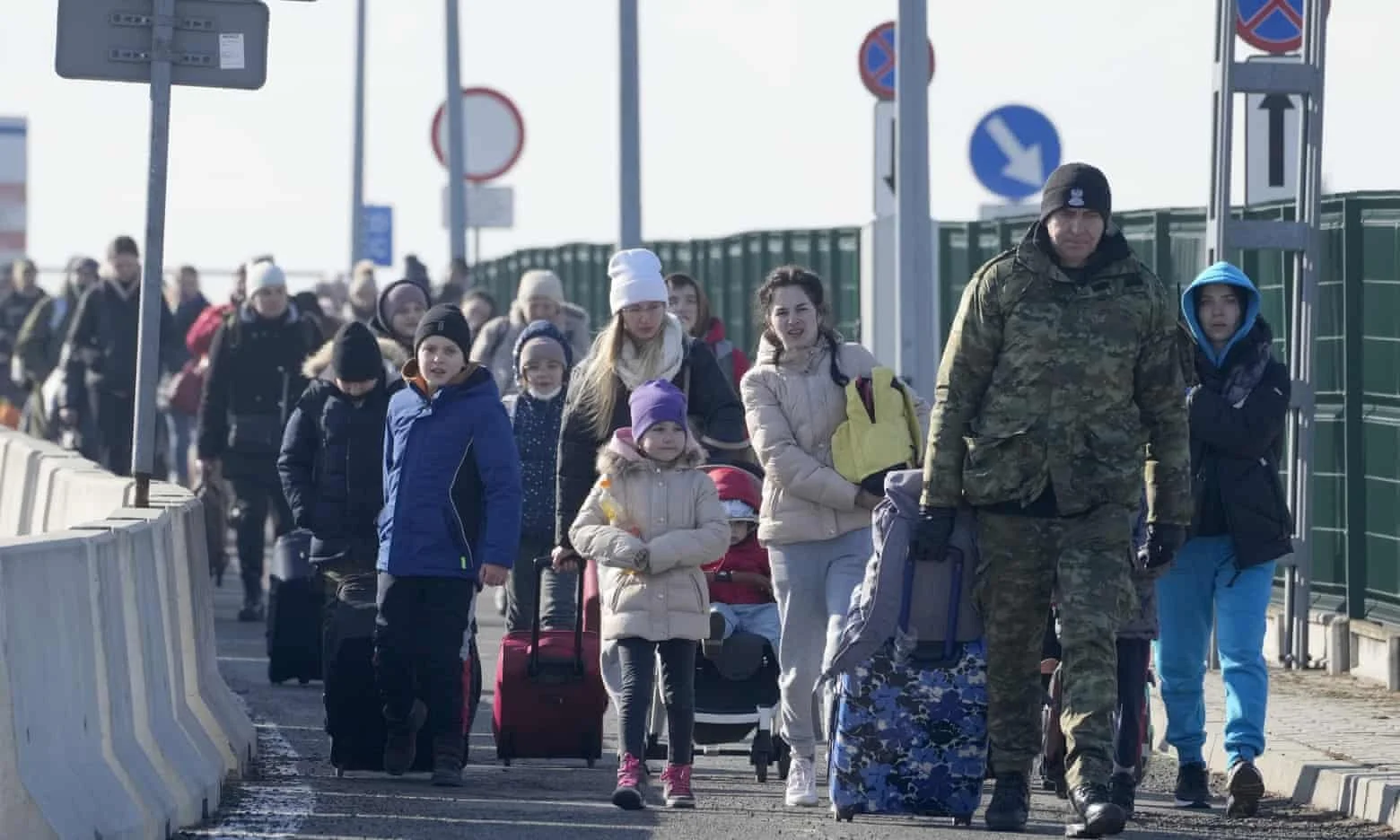
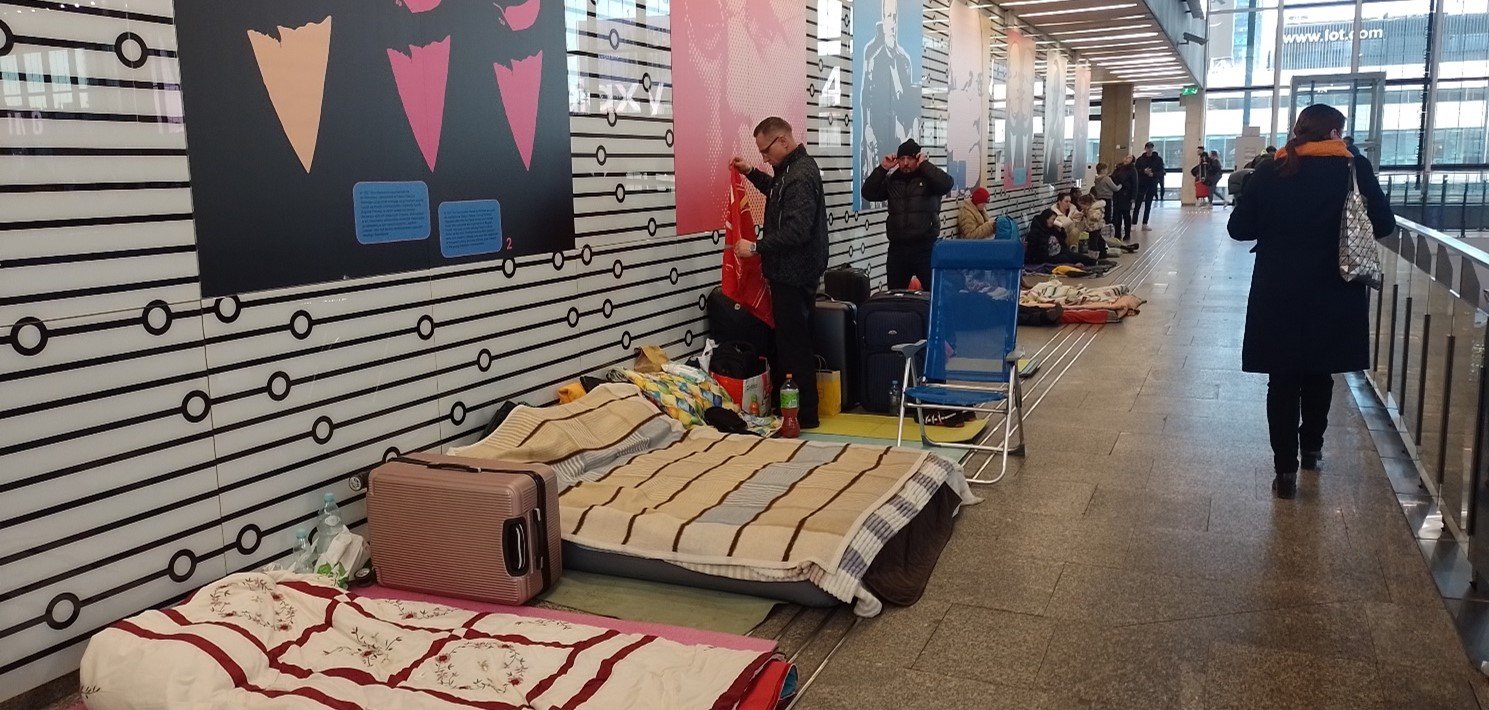
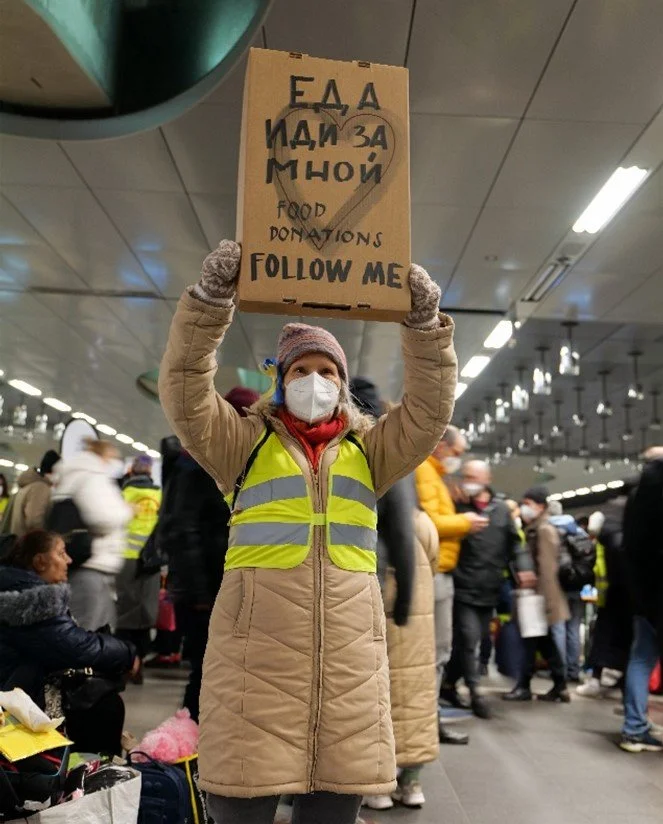
Read MoreOvernight the gateway countries bordering Ukraine were flooded by people fleeing the war. The situation on borders and in key transport cities was dramatic and chaotic, but both the governments and the civil society, including churches, responded quickly and worked out emergency plans to help those fleeing the Russian invasion.
Read MoreWhile the conflict has resulted in 6.4 million Ukrainian refugees scattered across Europe, even more Ukrainians are displaced inside their country. The Russia-Ukraine war carries significant missiological implications for all Christian stakeholders involved but particularly for the body of believers remaining in Ukraine.
Read MoreWhile many people arriving across Europe from Ukraine since February plan to return, the prolonged duration of the war means that this is not possible yet. Short term crisis solutions will not be enough, and many churches and networks are involved in creating a longer term response.
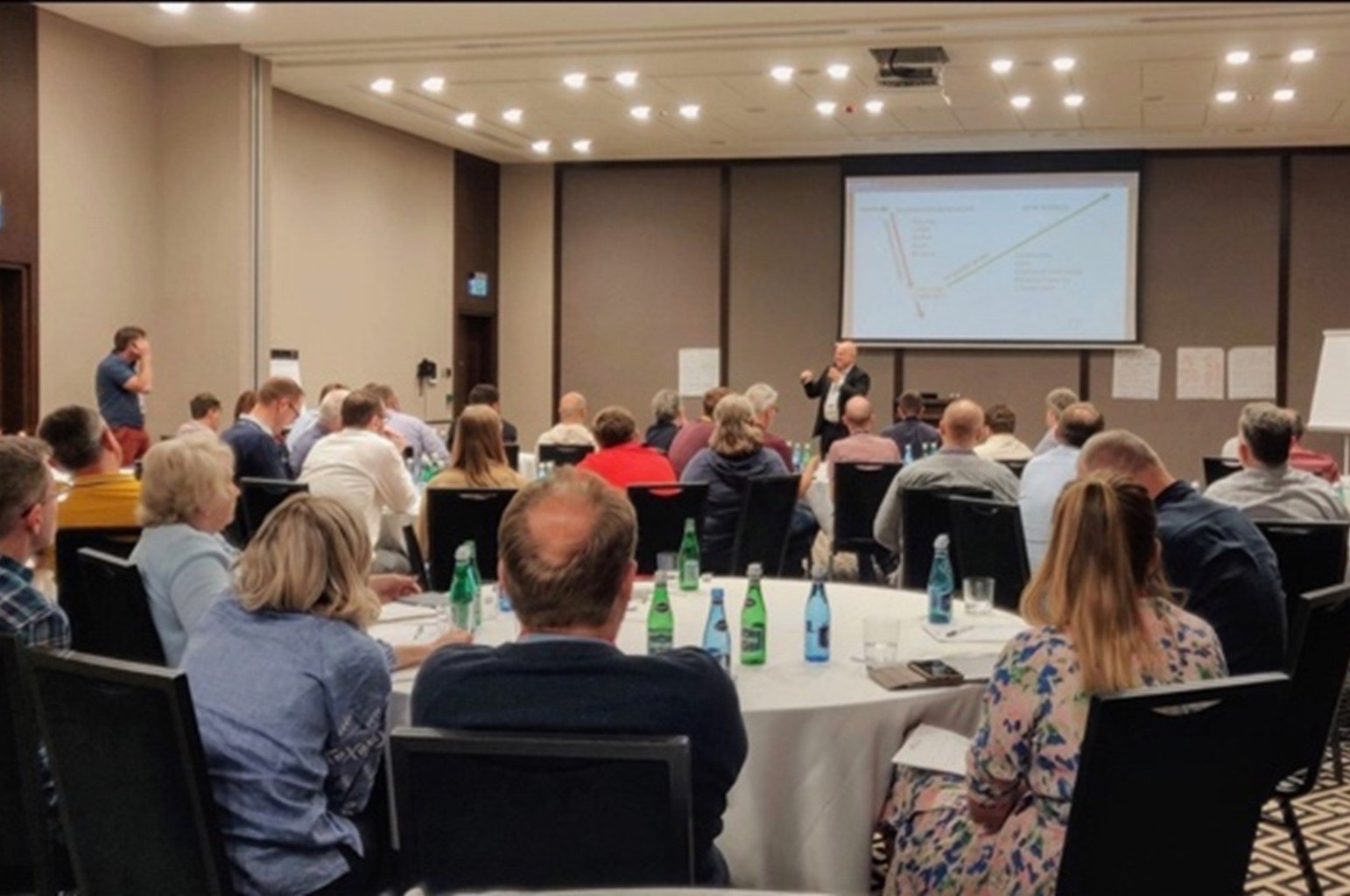
Read MoreOn 19th and 20th May 2022, 72 Christian leaders from 22 European countries were called together for 24 hours in Krakov, Poland by a platform called Christian Ukraine Collaboration that had emerged during the early weeks of the war as leaders of Evangelical mission agencies sought collaborative responses to the situation.
Read MoreSince the Russian invasion armies crossed the Ukrainian border, over three and a half million Ukrainian refugees have crossed several European borders, seeking refuge from the destruction of their country. Across Europe people manifest their solidarity with the plight of the people from that beleaguered country whose name, significantly, means ‘Border land’.
Read MoreThis article explores the Gospels and Acts to make an argument that the mission of Jesus to make disciples of all nations in the world, is a call for his followers to cross all kinds of borders to bear witness to his name. Focusing on geographical borders, I argue that diaspora people – those who had crossed physical borders – played a significant role in the spread of Christianity right from its inception.
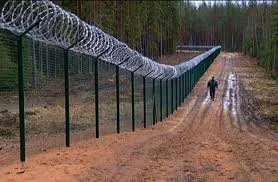
Read MoreI grew up in Estonia, behind the Iron Curtain, the heavily militarised border between Western capitalist countries and the Communist Bloc led by the Soviet Union. For me a border to the world outside was set in stone or in iron. Crossing was impossible.
Read MoreThe start of the book of Genesis, and the story of the church from Acts onwards, are about humanity as a whole. In between, through the Old Testament and the Gospels, the focus is tightly on the nation of Israel. It is interesting that at the two transition points of Genesis 11 and Acts 2, we have stories about language: the tower of Babel and the day of Pentecost.
Read MoreI am a jobbing sociologist, and the word Shibboleth has found a home in my discipline. It is used to describe the cultural markers which groups use to define who they are – separating “Us” from “Them”. It’s part and parcel of Othering; fostering group solidarity by exclusionary practices. There are many effective shibboleths. The word most often describes language codes but there are broader applications and a plethora of cultural practices which politicise difference.
Read MoreThrough Lausanne 2021, we were all drawn into a broad, multi-ethnic, multi-lingual, multi-national ‘communion of saints’ blanketing Europe and far beyond. The four days of online conversations, video reports, exchanges through chat boxes, interactive seminars and bible expositions have created a landmark event which will impact the evangelical landscape of Europe for decades to come”
Read MoreIn this article, we share our assessment on the ability of Lausanne Europe 20/21 to include the voice and perspectives of younger leaders. Afterwards we will share our perspective on the role of younger leaders in the mission of the Church.
Read MoreWe do not want to hear women’s perspectives because politicians and bureaucrats think it is a good idea. We think it’s a good idea because God made men and women equal and equally gifted.
Read MoreJust under 1/3 of all participants at the Lausanne 20/21 gathering were from Central and Eastern Europe. As the percentage of born-again Christians across Eastern Europe is much smaller than in Western or Northern European countries, this shows that organising committee put effort to mobilize participants from Eastern Europe.
Read MoreThe organisers of the Lausanne Europe Conference 20/21 had an intentional focus on including diaspora voices from the early days of its organisation. Several key diaspora mission leaders were engaged in the process. In the end, the 20 per cent target proved to be too high, That we got 9 per cent diaspora engagement is definitely a great achievement.
Read MoreWhat are the missiological implications emerging from the presence of hundreds of thousands of Christians from other parts of the world in many European cities?
Read MoreWe are delighted that Harvey Kwiyani is joining the Vista editorial team. Originally from Malawi, Harvey is CEO of Global Connections in the UK. His latest book is Multicultural Kingdom, Ethnic Diversity Mission and the Church. Read an interview with Harvey here…
Read MoreIn his final article as co-editor for Vista, Darrell Jackson looks back at his research in mapping migration across the Church in Europe over the last 18 years.
Read More